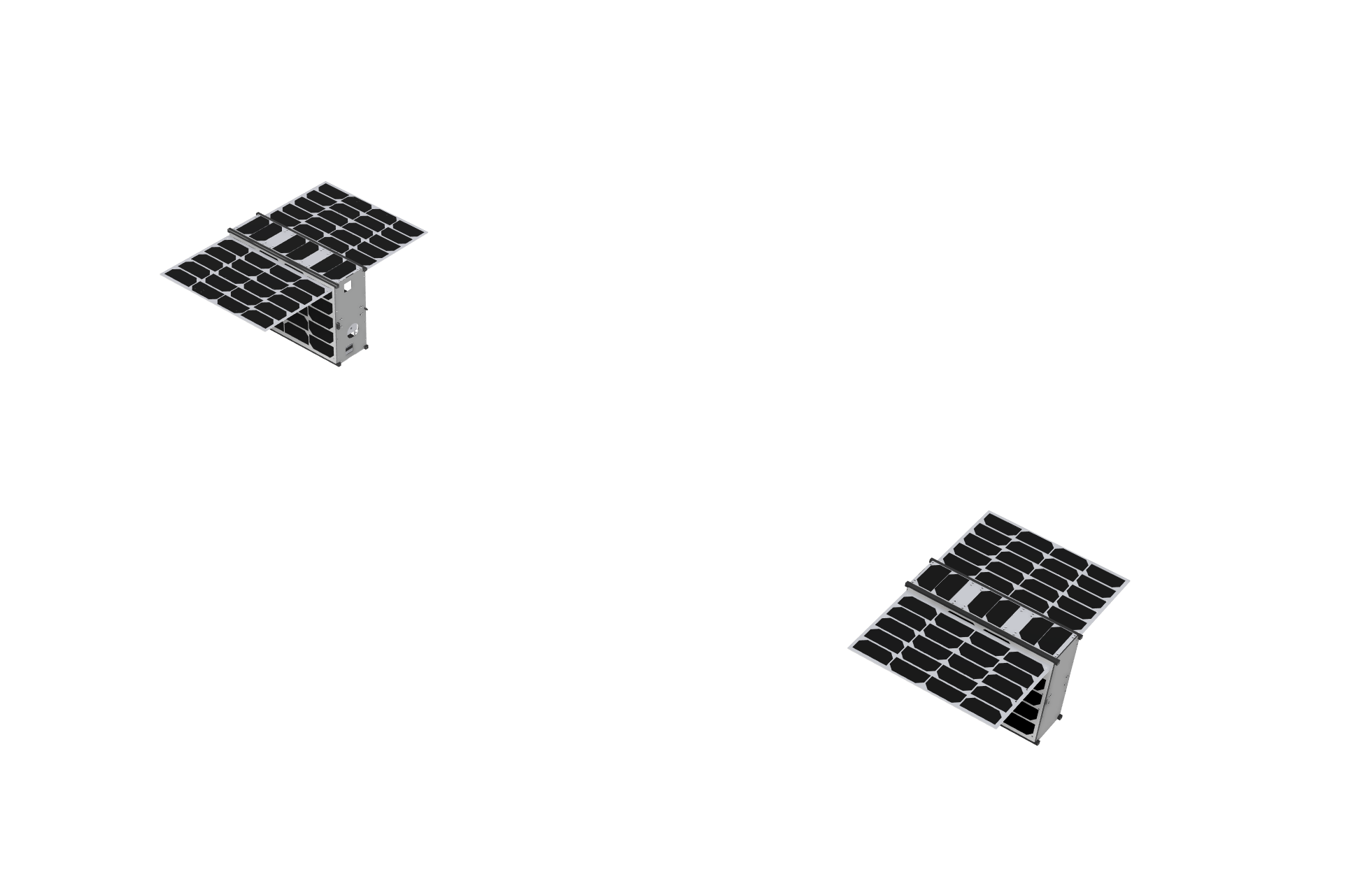
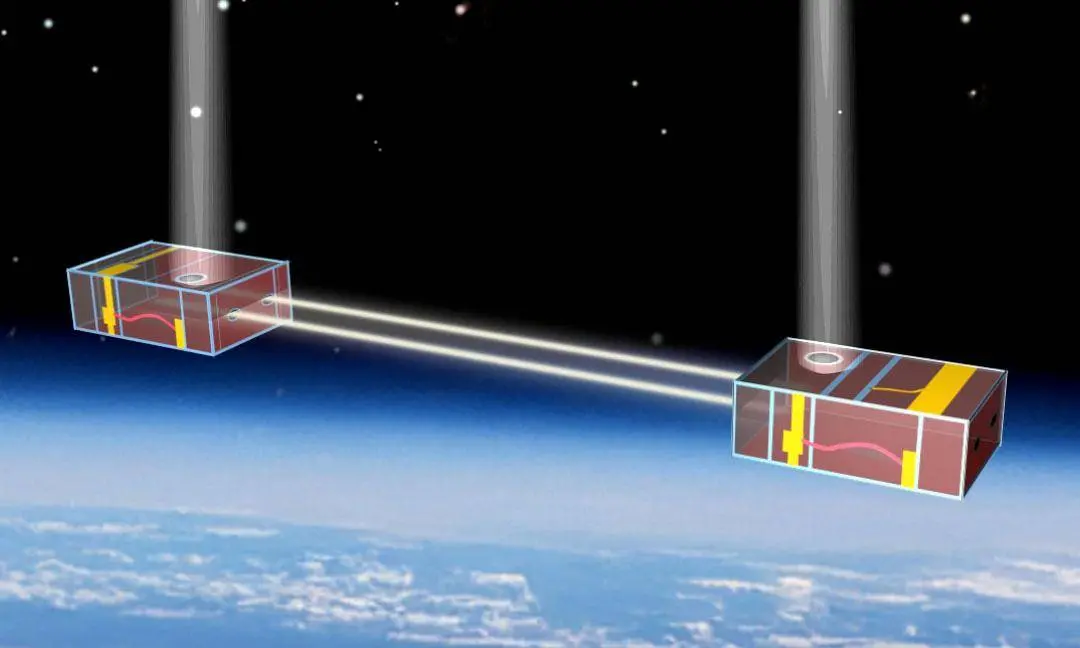
STARI is a NASA-funded mission developing two 8U CubeSats as a pathfinder for future space-based optical interferometers. It aims to transfer starlight between spacecraft and couple the received beam into a single-mode optical fiber, demonstrating technologies for future exoplanet-imaging missions.
Core Technologies
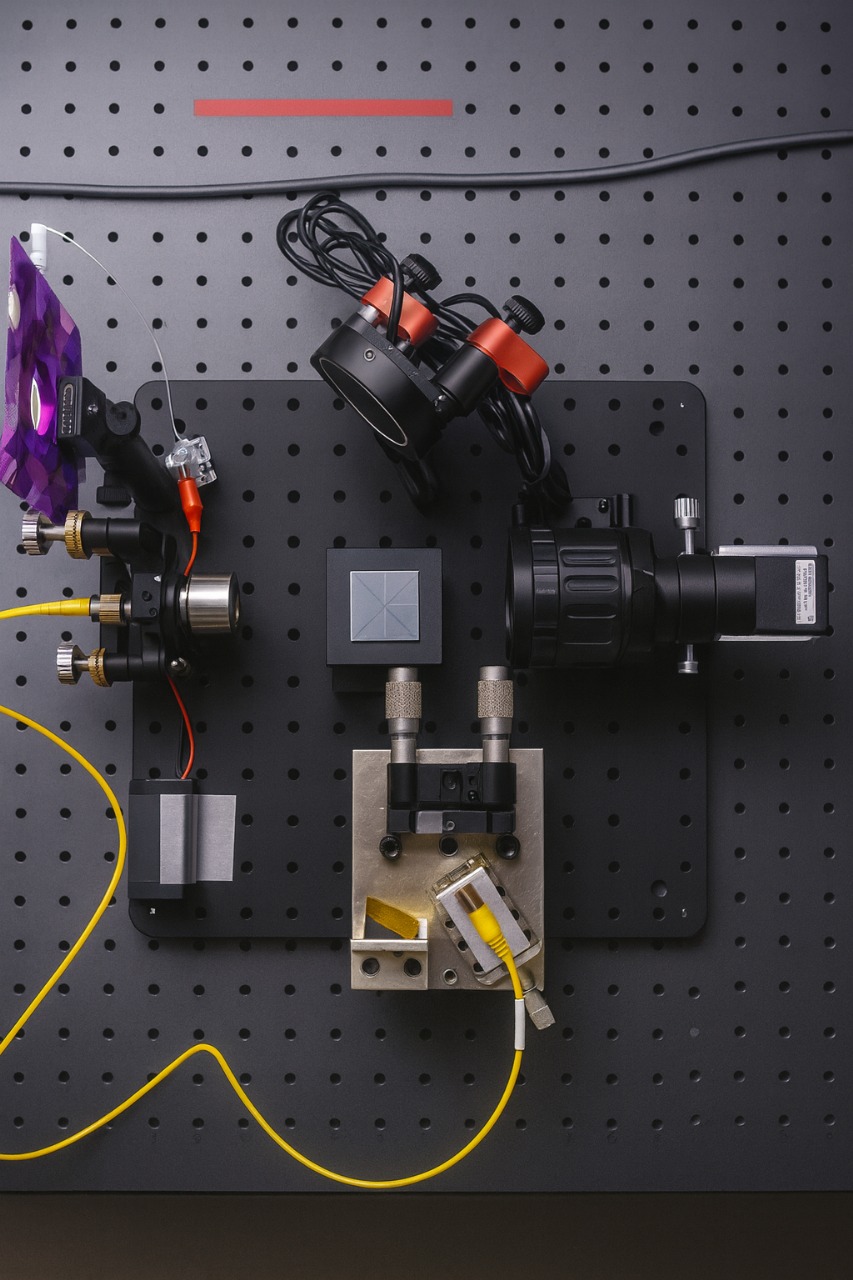
The design combines optical payloads, fast-steering mirrors, beacon tracking, differential satellite navigation, and cold-gas propulsion.
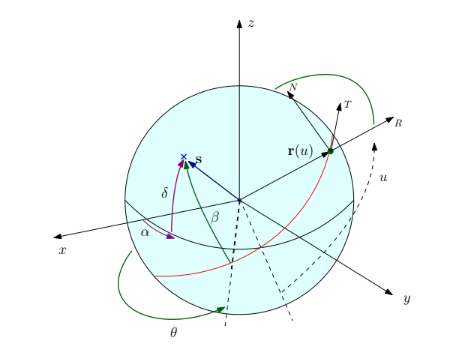
The 2026 guidance, navigation, and control study reports sub-millimeter optical-path knowledge and sub-centimeter control in simulations; in-orbit validation is a mission goal.
Operations & Timeline
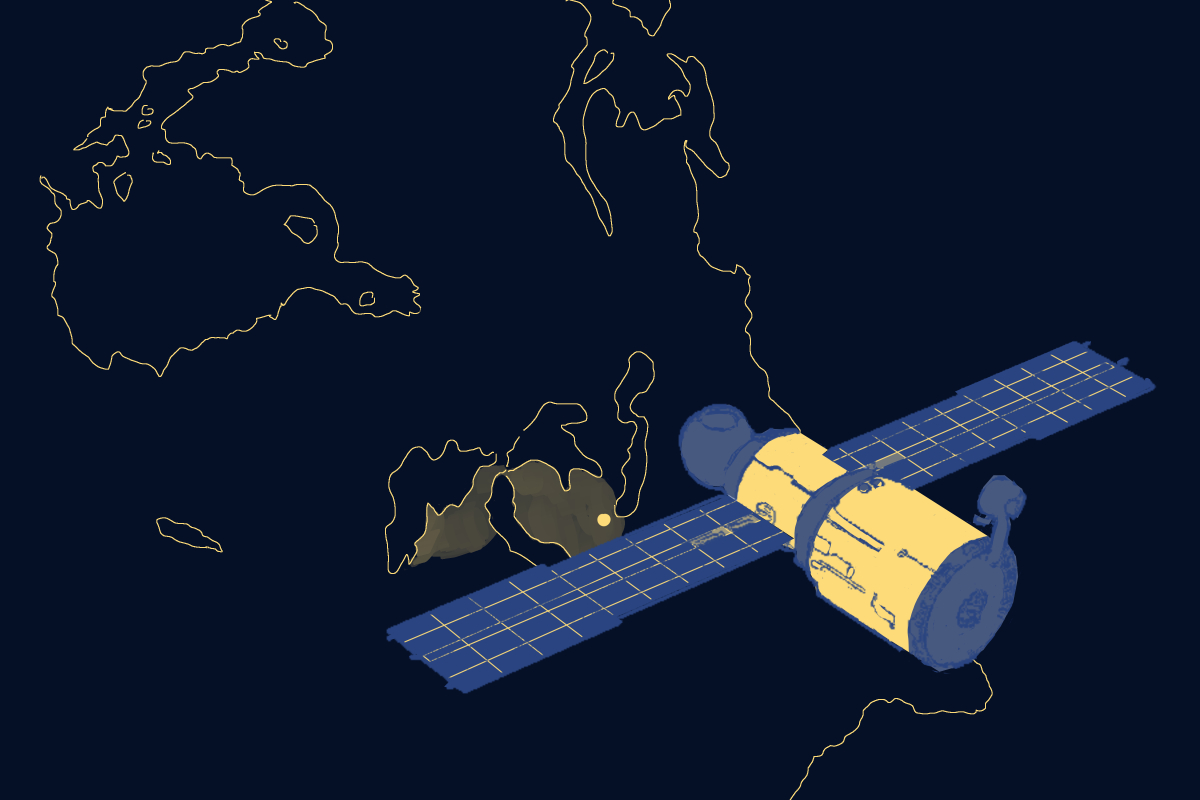
The team completed an internal Preliminary Design Review at RPI in May 2026. Launch remains planned for 2029, with a concept of operations that alternates between standby, transfer, and science configurations in a sun-synchronous low Earth orbit.
Publications
Mission papers, conference abstracts, and related space-interferometry research, including the latest 2026 work.
SPIE 2026 · Vol. 14145
STARI fiber-injection prototype testing and simulation
STARI joins NASA’s SmallSat mission showcase in Houston
John Monnier presented a STARI poster and joined the Mission Showcase panel at the NASA SmallSat LEARN Technical Interchange Meeting at Johnson Space Center in Houston, Texas.
Akshat Dubey leads STARI’s SmallSat contribution in Salt Lake City
The Small Satellite Conference in Salt Lake City, Utah, featured a STARI contribution led by Akshat Dubey in its Flash Talks session at the Salt Palace Convention Center.
John Monnier presented STARI to the University Lowbrow Astronomers at U-M’s Detroit Observatory in Ann Arbor, Michigan, with attendees joining in person and online.
Help advance STARI and space interferometry through funding, technical expertise,
research collaboration, or student involvement. Tell us how you’d like to help, or ask us about the mission.